
The concept of shared living has evolved significantly in just a few years. While traditional share houses focus primarily on reducing living expenses and providing companionship, a newer concept known as the NTR Share House has attracted attention in various communities. These living arrangements are designed for non traditional relationships and offer a unique approach to co-living. As social norms continue to change, more people are exploring different lifestyles that prioritize openness, communication, and mutual understanding. This article explores NTR Share House, how they work, their benefits, challenges, and their place in modern society. Stay connected with Home Zilow and learn about Wrap Foil Around the Door Knob in detail.
What Is an NTR Share House?
An NTR Share House is a shared living arrangement where residents participate or support non traditional relationship structures. Unlike conventional households that are often centered around family units or unrelated roommates, these houses may involve individuals who embrace alternative relationship dynamics and lifestyles.
The primary focus is not solely on housing but also on creating a supportive environment where residents can openly express their relationship preferences without fear of judgment. While every NTR Share House operates differently, most emphasize respect, communication, and mutual consent among all members.
The Rise of Non Traditional Relationships
Modern society has witnessed significant changes in how people view relationships. Many individuals are moving away from traditional expectations and exploring relationship models that better suit their personality and lifestyles.
Several factors have contributed to this shift:
- Greater acceptance of diverse lifestyles
- Increased awareness of relationship choices
- Changing social and cultural norms
- Desire for personal freedom and self-expression
As a result, non-traditional relationship communities have grown, and alternative housing arrangements such as NTR Share Houses have emerged to support these evolving preferences.

How NTR Share Houses Work
Every NTR Share House has its own structure, but most share common principles. Residents typically agree on house rules, responsibilities, and expectations before moving in.
Key aspects often include:
Shared Living Spaces
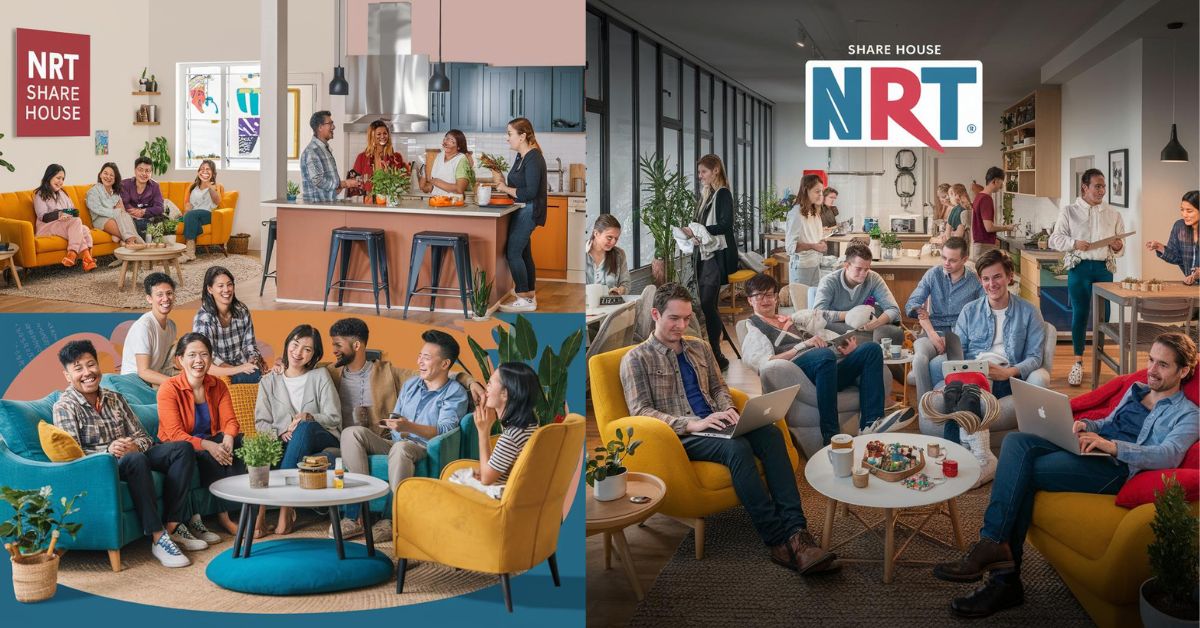
Residents share common areas such as kitchens, living rooms, and recreational spaces while maintaining personal bedrooms or private areas.
Open Communication
Communication plays a central role in ensuring that everyone understands house expectations and respects each other’s boundaries.
Mutual Respect
House members are expected to respect different perspectives, lifestyles, and relationship choices.
Community Oriented Living
Many NTR Share Houses encourage social interaction and foster a sense of community among residents.
Benefits of Living in an NTR Share House
Emotional Support
Living with like minded individuals can create a strong support network. Residents often find comfort in being surrounded by people who understand their experiences and point of view.
Affordable Housing
Sharing housing costs can significantly reduce financial pressure. Rent, utilities, and household expenses are typically divided among residents, making housing more affordable.
Community and Connection
One of the biggest advantages of NTR Share Houses is the sense of belonging they can provide. Residents often form meaningful friendships and supportive relationships.
Personal Growth
Living in a diverse environment encourages personal development. Residents learn valuable skills such as communication, empathy, conflict resolution, and boundary-setting.
Challenges Residents May Face
While NTR Share Houses offer many advantages, they also come with challenges.
Privacy Concerns
Sharing living spaces can sometimes make it difficult to maintain personal privacy. Residents must establish clear guidelines regarding personal space and boundaries.
Emotional Complexities
Alternative relationship dynamics can sometimes create emotional challenges. Honest communication and emotional maturity are important for maintaining harmony.
Social Stigma
Despite growing acceptance of diverse lifestyles, some people still face criticism or misunderstanding from friends, family members, or society.
Conflict Resolution
Disagreements are natural in any shared living environment. Successful households develop effective strategies for resolving conflicts respectfully and constructively.
House Rules and Boundaries
Clear rules are essential for maintaining a healthy living environment in an NTR Share House.
Common guidelines include:
Respect for Privacy
Residents should respect each other’s personal space, belongings, and private matters.
Consent and Communication
Open discussions and mutual consent are critical in all interactions.
Shared Responsibilities
Household chores, cleaning schedules, and financial obligations should be clearly defined and fairly distributed.
Conflict Management
Residents should establish procedures for addressing concerns and resolving disputes before problems escalate.
Who Chooses to Live in NTR Share Houses?
People from various backgrounds may choose this type of living arrangement.
Young Professionals
Many young adults seek affordable housing options while also enjoying a strong sense of community.
Alternative Lifestyle Communities
Individuals interested in non-traditional relationships often appreciate living among people with similar values.
Supportive Social Groups
Some residents simply want a welcoming environment where they can be themselves without judgment.
Tips for a Successful Experience
Living successfully in an NTR Share House requires commitment and mutual respect.
Practice Open Communication
Regular conversations help prevent misunderstandings and strengthen trust.
Set Realistic Expectations
Understanding the realities of shared living can reduce disappointment and conflict.
Respect Individual Choices
Every resident may have different preferences, values, and lifestyles. Respecting these differences contributes to a harmonious environment.
Maintain Healthy Boundaries
Clearly defined boundaries help ensure comfort and security for everyone involved.
Common Myths About NTR Share Houses
There are several myths surrounding NTR Share Houses.
Myth: Everyone Has the Same Relationship Style
Reality: Residents often have diverse backgrounds, experiences, and preferences.
Myth: There Are No Rules
Reality: Most successful NTR Share Houses operate with clear guidelines and expectations.
Myth: They Are Only About Relationships
Reality: Many residents choose these communities for affordability, friendship, support, and shared values.
Myth: They Are Unstable Living Arrangements
Reality: Many such households function successfully for years through communication and cooperation.
The Future of Alternative Co-Living Spaces
As society continues to evolve, alternative housing arrangements are becoming more common. Many people seek living environments that align with their personal values and lifestyles.
Future trends may include:
- Increased acceptance of diverse relationship structures
- Growth in community-focused housing models
- More flexible co-living arrangements
- Greater emphasis on inclusivity and support networks
These developments suggest that alternative co-living spaces, including NTR Share Houses, may continue to gain popularity in the coming years.
Conclusion
NTR Share Houses represent a modern approach to shared living that reflects changing attitudes toward relationships, community, and personal freedom. By emphasizing communication, mutual respect, and consent, these households create environments where residents can feel supported and understood. While challenges such as privacy concerns and social stigma may arise, many individuals find significant benefits in the sense of community, affordability, and personal growth these living arrangements provide. As alternative lifestyles become more widely accepted, NTR Share Houses are likely to remain an important part of the evolving co-living landscape.
